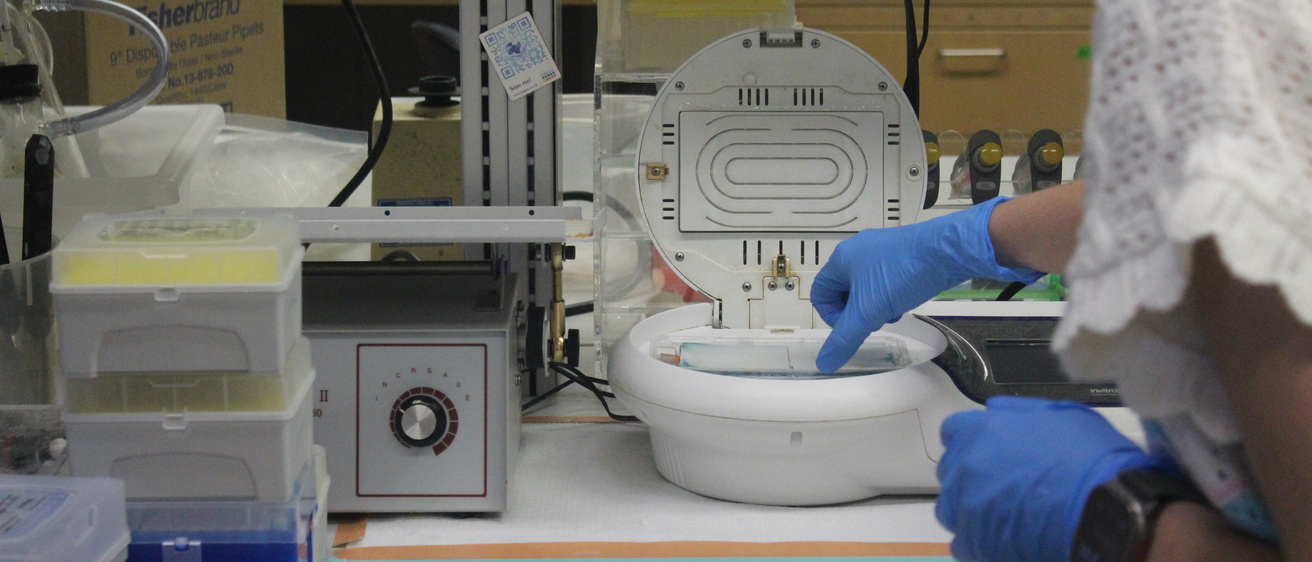
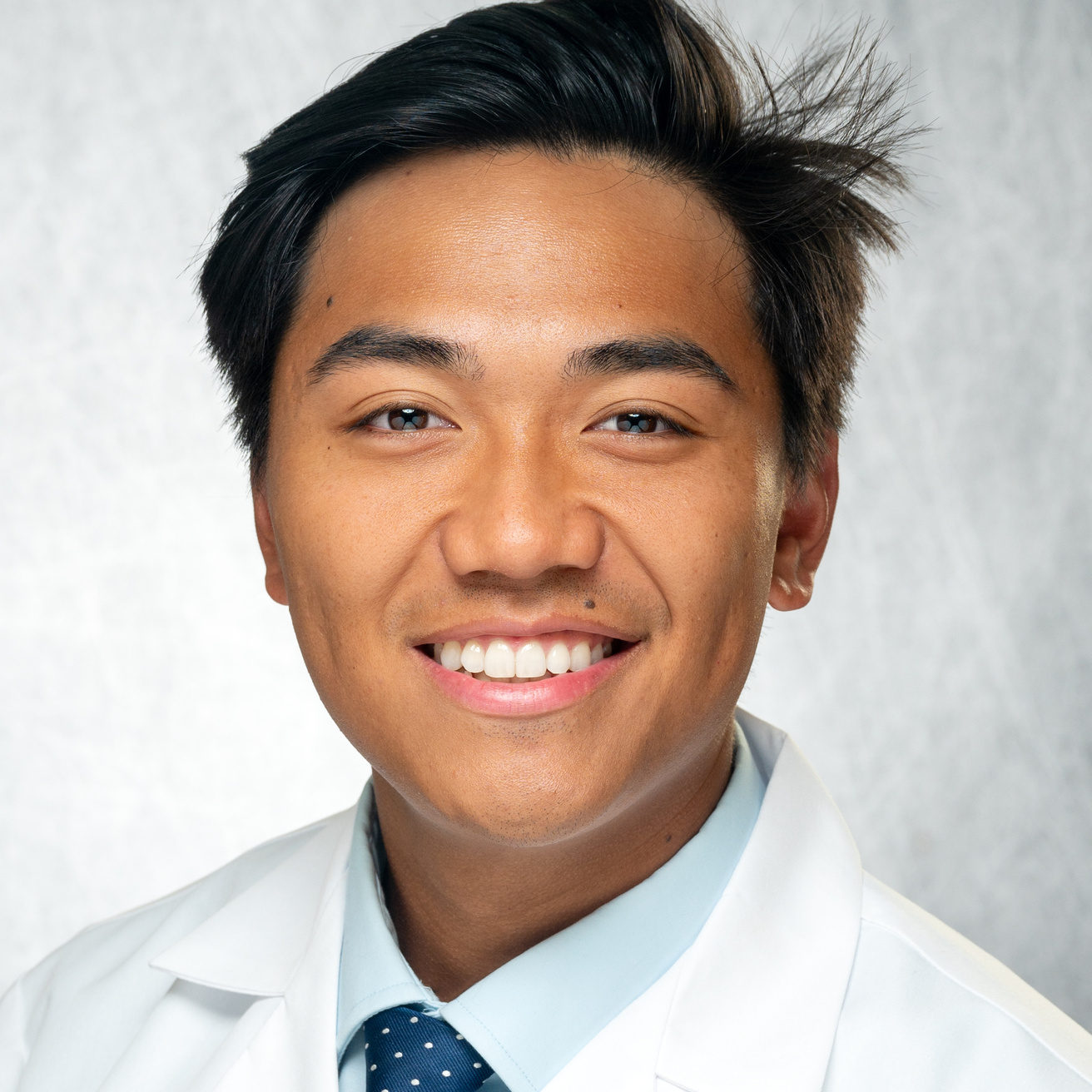
For Brandon Toliver, MD, research is more than a component of surgical training—it is an opportunity to better understand the diseases he hopes to treat throughout his career.
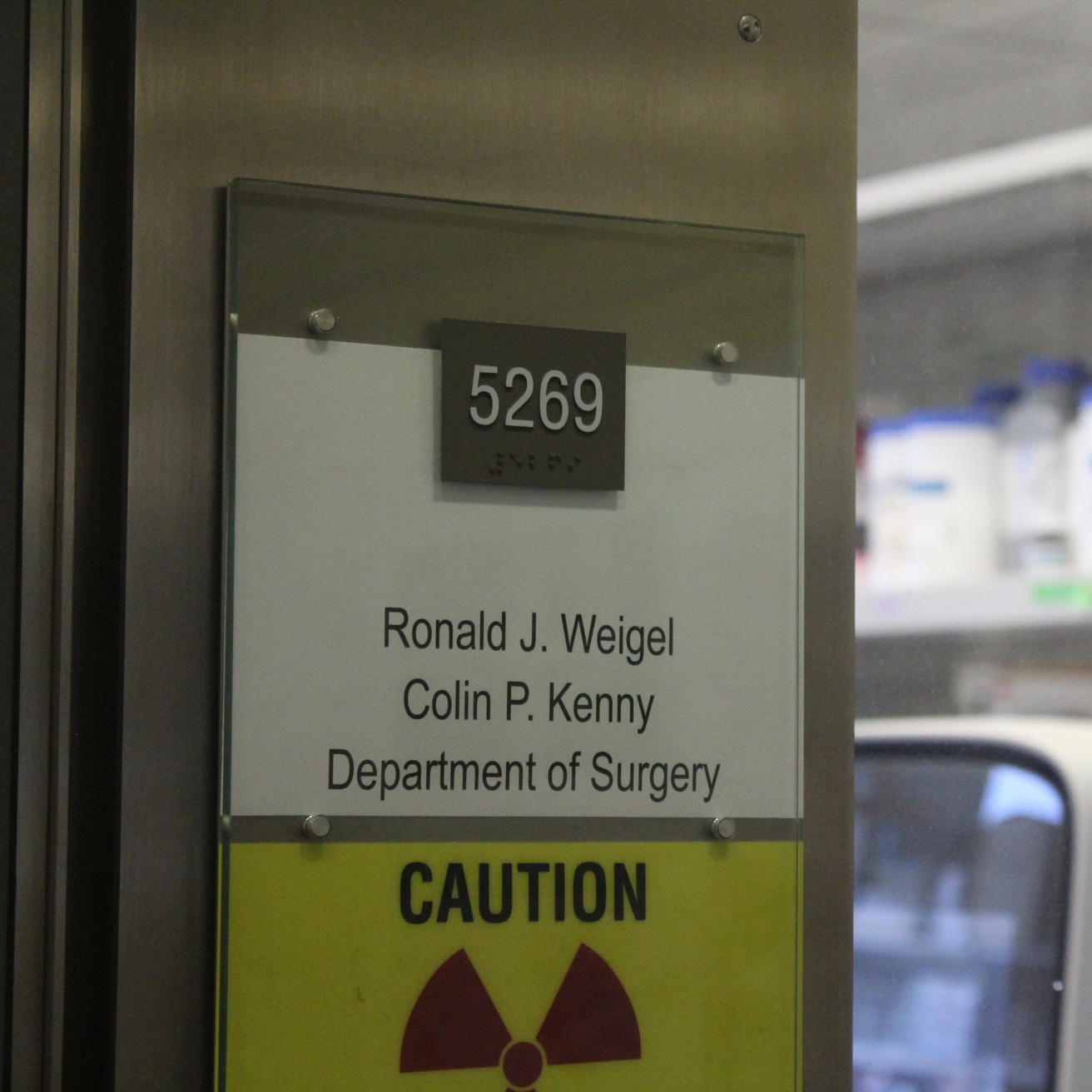
Toliver, a general surgery resident at the University of Iowa, will begin a two-year research experience this July focused primarily on melanoma and breast cancer research. Working alongside faculty mentors Dr. Colin Kenny and Dr. Ronald Weigel, he hopes to build the foundation needed for a future in academic surgery.
“It’s important to understand the disease processes that underlie treatment and management,” Toliver said. “Research gives us the opportunity to develop future therapies and translate new discoveries into better patient care, with the ultimate goal of improving patient outcomes.”
Toliver said one of the things that stood out most about the University of Iowa’s program was the level of support available to residents interested in research. From mentorship and grant-writing guidance to flexibility in training pathways, he said the department encourages residents to pursue opportunities aligned with their career goals.
There really are a lot of opportunities here,” Toliver said. “The department has been incredibly supportive in helping residents find labs, apply for grants, and pursue the kind of training they want. It’s such a healthy environment to train in. People genuinely want to help each other succeed.”

Toliver said one of the things that stood out most about the University of Iowa’s program was the level of support available to residents interested in research. From mentorship and grant-writing guidance to flexibility in training pathways, he said the department encourages residents to pursue opportunities aligned with their career goals.
As he prepares to transition into research full-time, Toliver said he is excited for the opportunity to dedicate his energy toward projects that could one day improve outcomes for patients facing melanoma and breast cancer diagnoses.
For medical students and future residents considering research, Toliver encourages them to explore the opportunities available and lean on mentors for guidance.
“You really have to know what you want to do and talk to people who can help guide you,” he said. “This experience gives you the foundation and the tools to become the kind of surgeon and researcher you want to be.”
The Department of Surgery’s resident research opportunities allow trainees to pursue meaningful academic and scientific experiences while continuing to grow as future leaders in surgery.