Advancing Discovery in Neuroendocrine Tumors
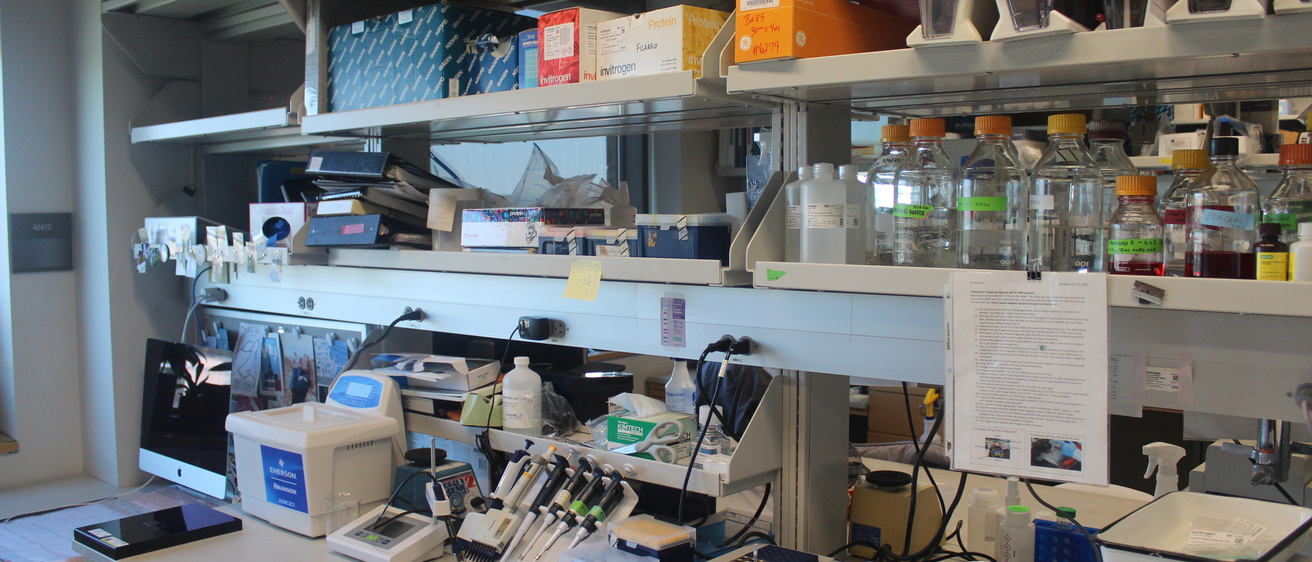
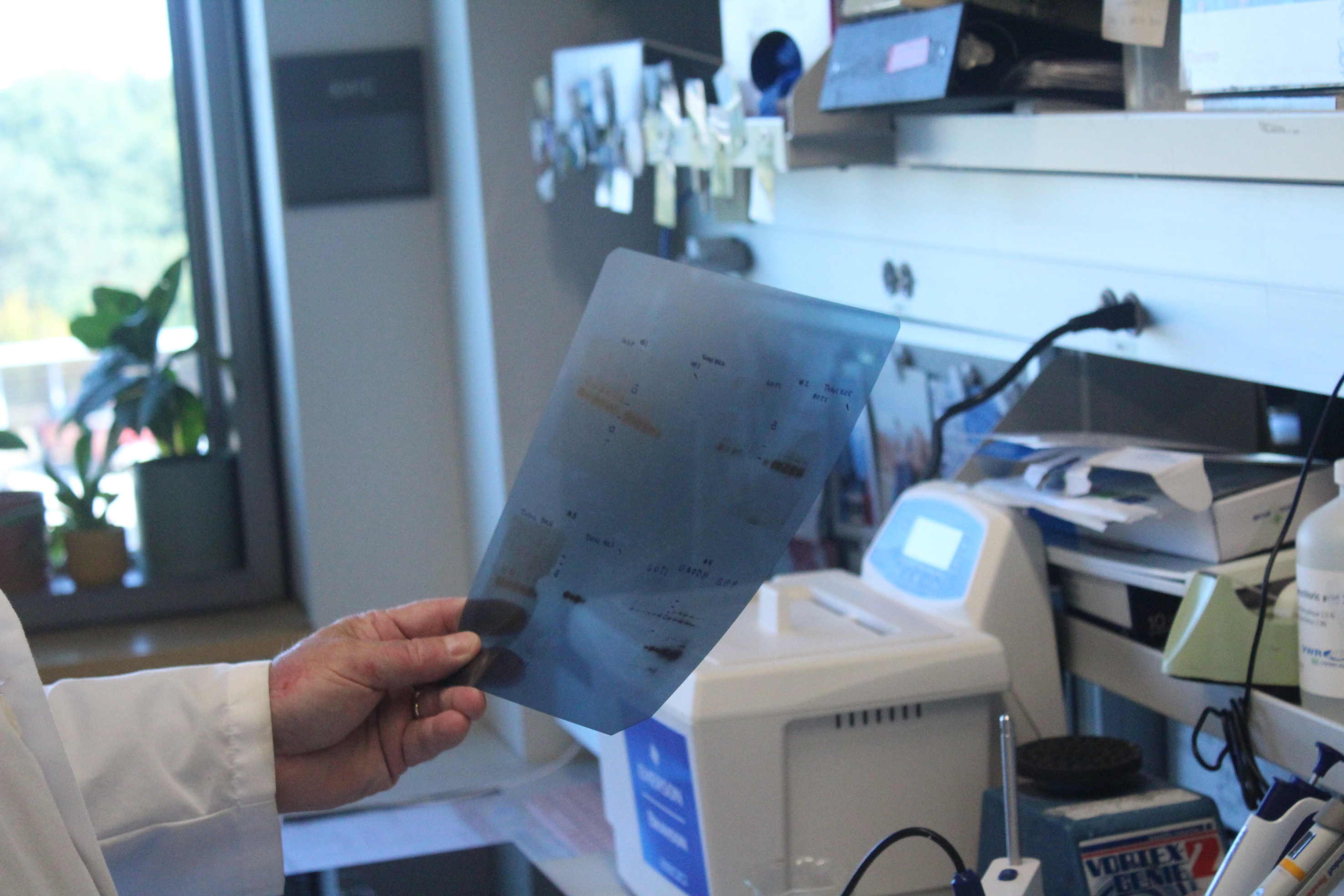
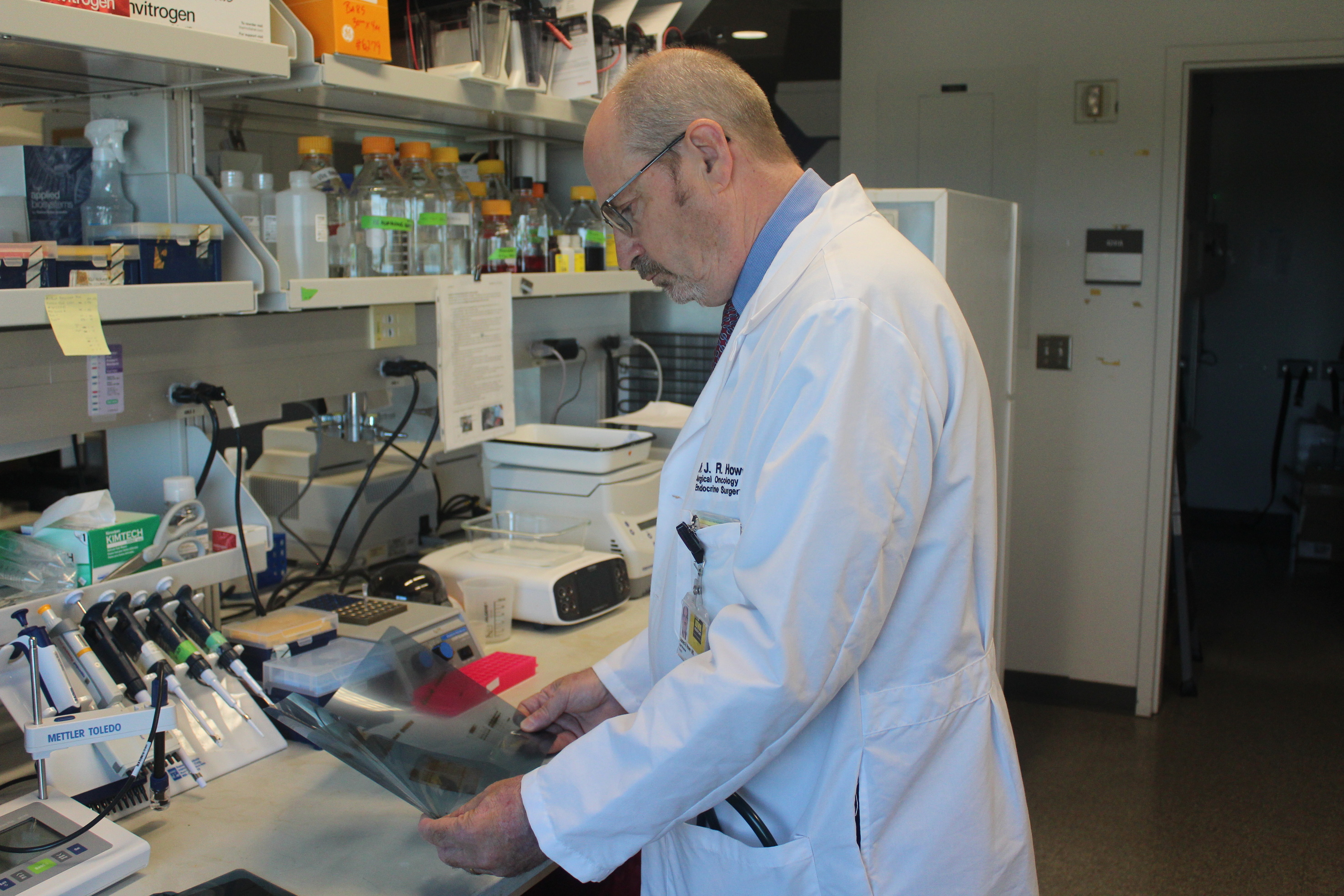
The Howe Laboratory is focused on advancing the understanding and treatment of neuroendocrine tumors through translational research that bridges discoveries in the laboratory with improvements in patient care. Led by James R. Howe, MD, the laboratory investigates the genetic and molecular mechanisms that drive tumor development, progression, and response to treatment.
As part of the University of Iowa's nationally recognized neuroendocrine cancer program, the laboratory brings together surgeons, scientists, and trainees to develop new approaches for diagnosis, imaging, and therapy. The lab's research spans cancer genetics, inherited cancer syndromes, biomarker discovery, and novel therapeutic targets, with the goal of improving outcomes for patients with neuroendocrine tumors.
Research Areas
Neuroendocrine Tumor Biology
Research focuses on understanding the molecular and cellular mechanisms that contribute to the development and progression of pancreatic and small bowel neuroendocrine tumors.
Cancer Genetics and Hereditary Syndromes
The laboratory has specialized in inherited cancer syndromes and genetic factors associated with neuroendocrine tumor development, with decades of work in gene discovery and cancer predisposition research.
Biomarker Discovery
Studies are aimed at identifying biomarkers that can improve diagnosis, prognostication, treatment selection, and disease monitoring.
Novel Imaging and Therapeutic Targets
The lab seeks to identify molecular targets that may lead to improved imaging techniques and more effective treatment strategies for neuroendocrine tumors.
Clinical and Translational Research
By integrating laboratory science with clinical data and patient specimens, the laboratory works to accelerate discoveries that can directly impact patient care.
blank
Training Opportunities
The Howe Laboratory provides opportunities for medical students, graduate students, residents, fellows, and other trainees interested in translational cancer research. Trainees gain experience in study design, data analysis, scientific writing, presentation development, and collaborative research while contributing to projects aimed at improving care for patients with neuroendocrine tumors.
Meet the Lab Director