
About the Laboratory
The Weigel Laboratory, led by Ronald J. Weigel, MD, PhD, MBA, is focused on understanding the molecular mechanisms that drive cancer development and progression. Several projects examine the transcriptional mechanisms that regulate the expression of genes that drive oncogenesis, tumorigenesis, and metastasis. Current focus of the laboratory utilizes cell line, mouse, and zebrafish models to investigate oncogenesis and cancer progression in breast cancer and melanoma.
Translational and clinical research projects in cancer are also an important area for investigations that are supported through the Weigel research group. Investigations that utilize archival patient specimens, patient-derived xenografts, patient records, and the National Cancer Database are aimed at having a direct positive impact on cancer patient clinical care and treatment protocols. These projects define biomarkers, patient selection, cancer treatment methods, and cancer center structure that improve the quality of cancer care.
Research Focus Areas
Cancer Stem Cells
One set of projects investigate the transcriptional mechanisms that maintain breast cancer stem cells (CSCs)/tumor-initiating cells (TICs). We study several transcription factors that regulate pathways required to maintain the CSC/TIC phenotype. Further work examines how post-translational modification of transcription factors alter their activity in regulating genes that establish the CSC/TIC cell state. For example, sumoylation of AP-2 and ETS family of transcription factors can alter the genes regulated by these factors and may offer a novel approach to treatment that target the SUMO pathway. Additional studies examine our recent discovery that CSCs/TICs have the ability to induce tumorigenesis by non-stem cancer cells.
Gene Regulation by AP-2γ in Breast Cancer
The Weigel laboratory first identified the AP-2γ as a transcription factor controlling expression of ERα and other genes involved in hormone response in breast cancer. Current projects examine the effect of AP-2γ in other breast cancer subtypes, such as HER2+ breast cancer. Using human and mouse cell lines and mouse models of mammary oncogenesis, we are exploring the role of AP-2γ in mammary oncogenesis, tumorigenesis, and metastasis.
Gene Regulation by AP-2α in Melanoma
The Weigel laboratory has demonstrated a role for AP-2α in driving metastasis of melanoma. Further work is focused on exploring how AP-2α alters chromatin structure through interactions with the NuRD Complex and other members of the transcriptional machinery. In collaboration with the Kenny laboratory, the role of AP-2α and paralogs are being examined in mechanisms of melanomagenesis and metastatic progression.
Epigenetics and Chromatin Biology
Details of how epigenetic modifications and chromatin structure influence cellular behavior and tumor progression are actively pursued. For example, there are ample data demonstrating a role of AP-2α functioning as a pioneer factor during melanocyte differentiation and melanoma. Further work to understand the mechanisms through which AP-2α creates open chromatin structure is an active focus of our groups.
Advancing Cancer Treatment Through Translational Studies
By uncovering the molecular drivers of cancer, the laboratory seeks to identify new targets for diagnosis, treatment, and prevention. As an example, our recent work identified novel pathways driving thyroid cancer recurrence, which demonstrated sex-specific differences.
Select Publications from the Weigel Laboratory
Select Publications from the Weigel Laboratory
Improving predicted risk of recurrence using molecular profiling in papillary thyroid cancer
Assessing Quality of Colorectal Cancer Care at Commission on Cancer Accredited Hospitals
Antagonistic roles for MITF and TFE3 in melanoma plasticity
Social Vulnerability and Receipt of Guideline-Concordant Care among Patients with Colorectal Cancer
AP-2α-Mediated Activation of E2F and EZH2 Drives Melanoma Metastasis
A Pilot Study of Preoperative Vandetanib on Markers of Proliferation and Apoptosis in Breast Cancer
AP-2α Regulates S-Phase and Is a Marker for Sensitivity to PI3K Inhibitor Buparlisib in Colon Cancer
AP-2γ Is Required for Maintenance of Multipotent Mammary Stem Cells
A TFAP2C Gene Signature Is Predictive of Outcome in HER2-Positive Breast Cancer
TFAP2C governs the luminal epithelial phenotype in mammary development and carcinogenesis
Sumoylation Pathway Is Required to Maintain the Basal Breast Cancer Subtype

Clinical Research Opportunities
Dr. Weigel works collaborative with investigators nationally who are interested in clinical research studies focused on improving the diagnosis, treatment, and outcome of cancer patients. Utilizing the National Cancer Database and innovative clinical trials, studies are pursued that seek to understand how to improve the quality of care for cancer patients.
Training and Mentorship
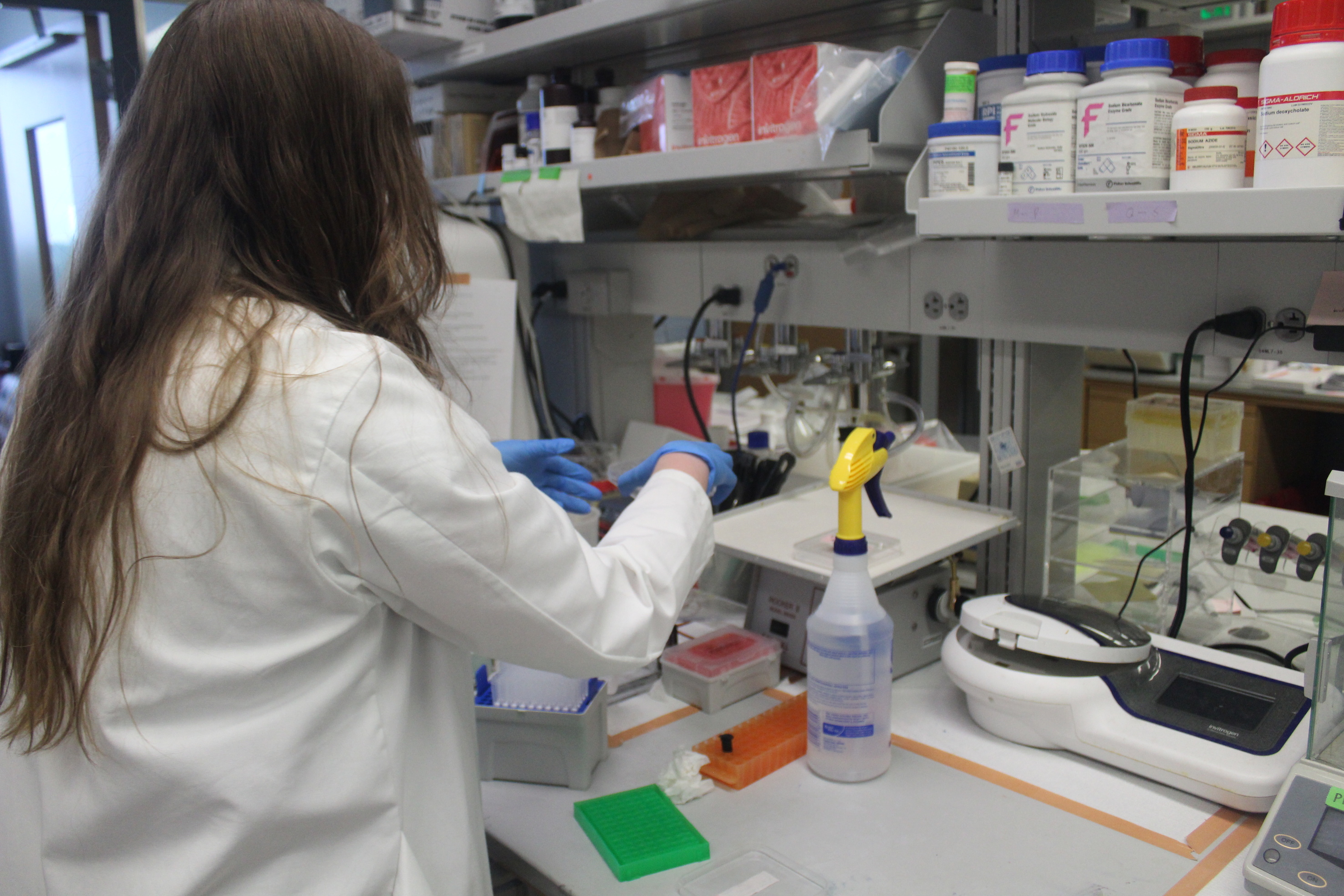
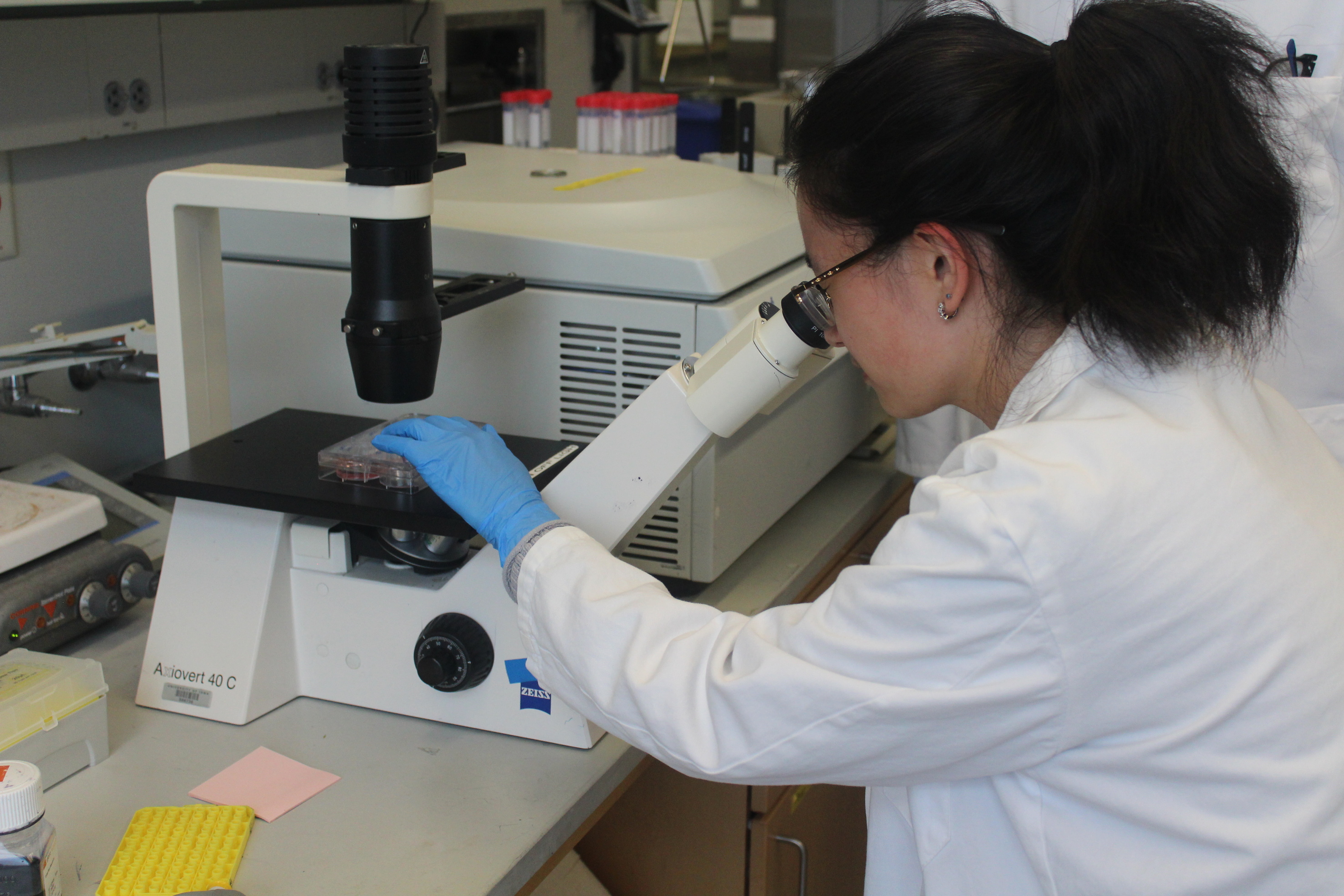
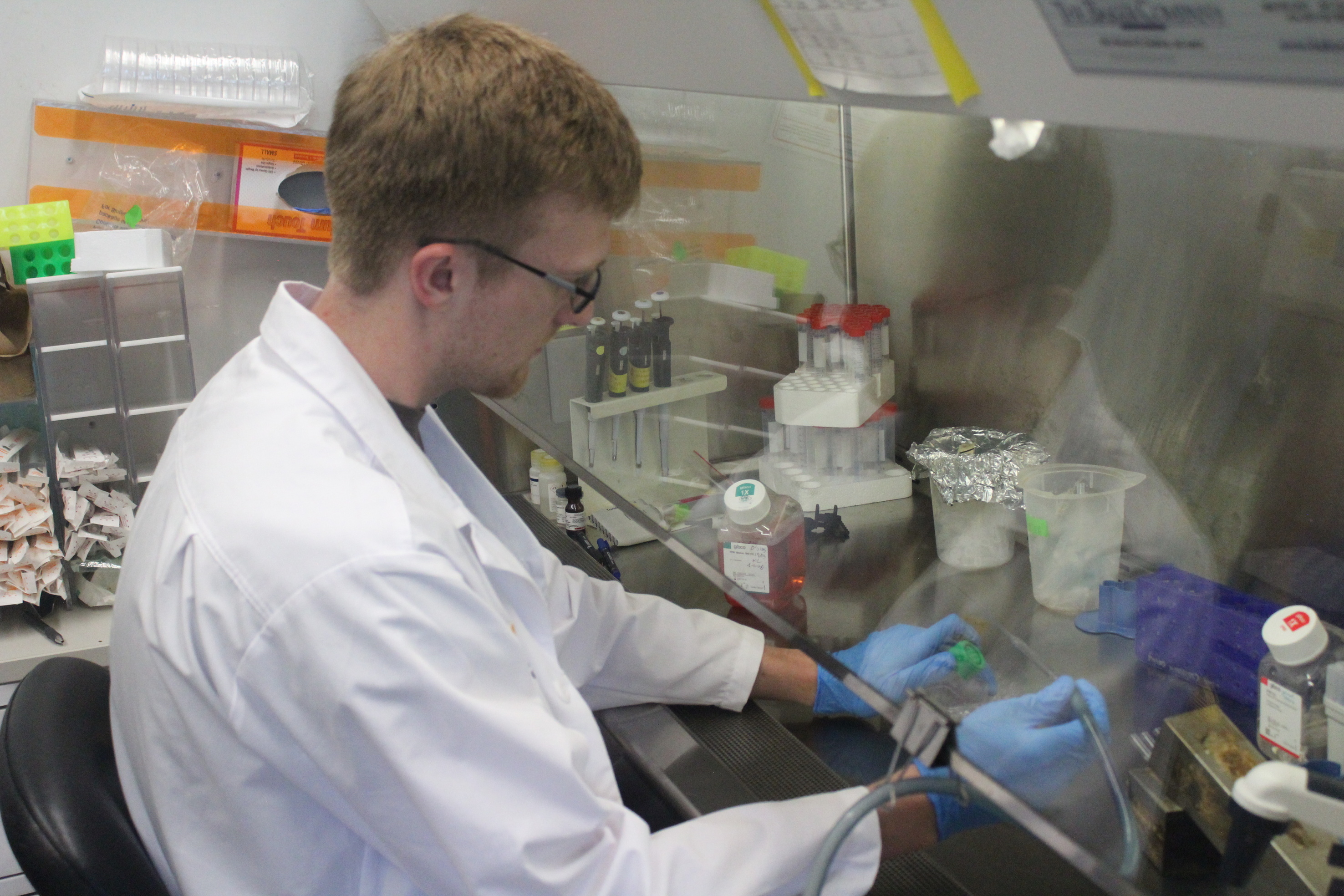
Education and mentorship are central to the mission of the Weigel Laboratory. Students, residents, fellows, and aspiring physician-scientists work alongside experienced investigators to develop expertise in experimental design, molecular biology, data analysis, and scientific communication.
The laboratory fosters a collaborative environment that encourages curiosity, scientific rigor, and independent thinking. Trainees gain hands-on research experience while contributing to discoveries that advance the understanding of cancer biology and improve patient care.

Ronald J. Weigel, MD, PhD, MBA
NIH T32 Surgical Oncology Research Training Program
Dr. Weigel serves as the Principal Investigator for the University of Iowa Surgical Oncology Research Training Program T32 grant funded by the National Cancer Institute of the National Institute of Health. This grant provides dedicated research training for surgical oncology trainees pursuing careers as surgeon-scientists.
The training program offers protected research time, individualized mentorship, and opportunities to engage in basic, translational, and clinical research. Through intensive research experiences and academic development, trainees gain the foundation needed to become future leaders in surgical research and cancer discovery.
Learn more about the NIH T32 Surgical Oncology Research Training Program.