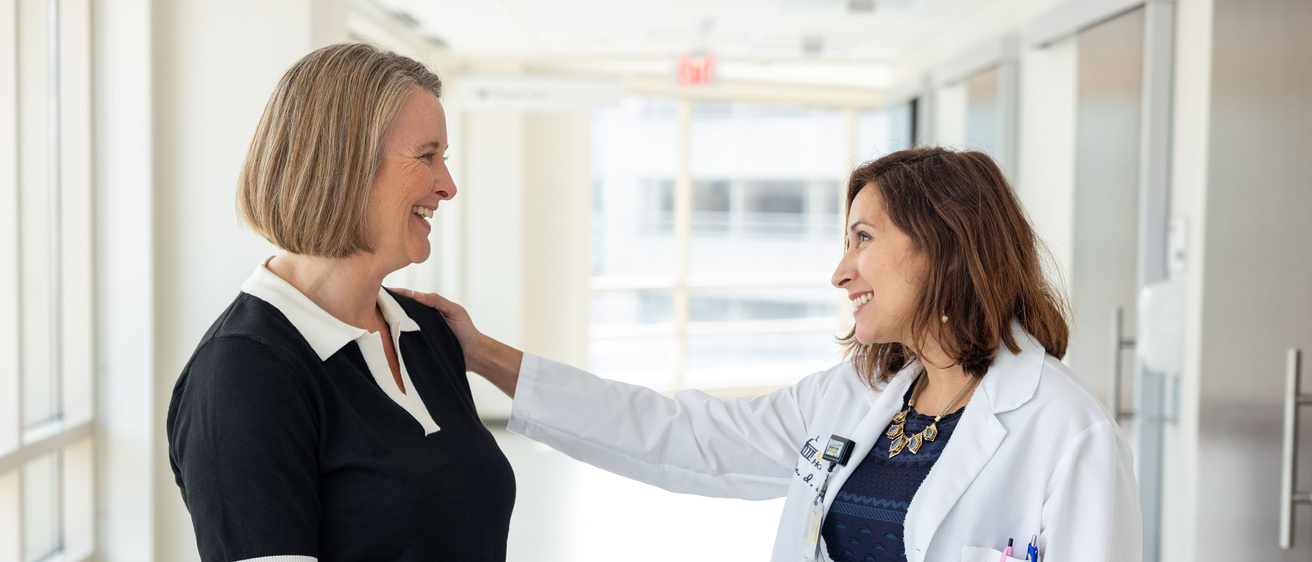
When cancer patients in rural Iowa need treatment, the journey often involves more than a diagnosis.
Repeated trips for surgery, chemotherapy, radiation, and follow-up care can create financial strain, disrupt work and family life, and make it harder for patients to stay on track with treatment.
Helping rural hospitals deliver high-quality cancer care closer to home has become a focus of Ingrid Lizarraga, MBBS, FACS, breast surgical oncologist with UI Health Care’s Department of Surgery and Iowa chair of the American College of Surgeons Commission on Cancer.
Through her leadership at both the state and national levels, Lizarraga is helping strengthen rural cancer programs and expand access to high-quality care for patients across Iowa.
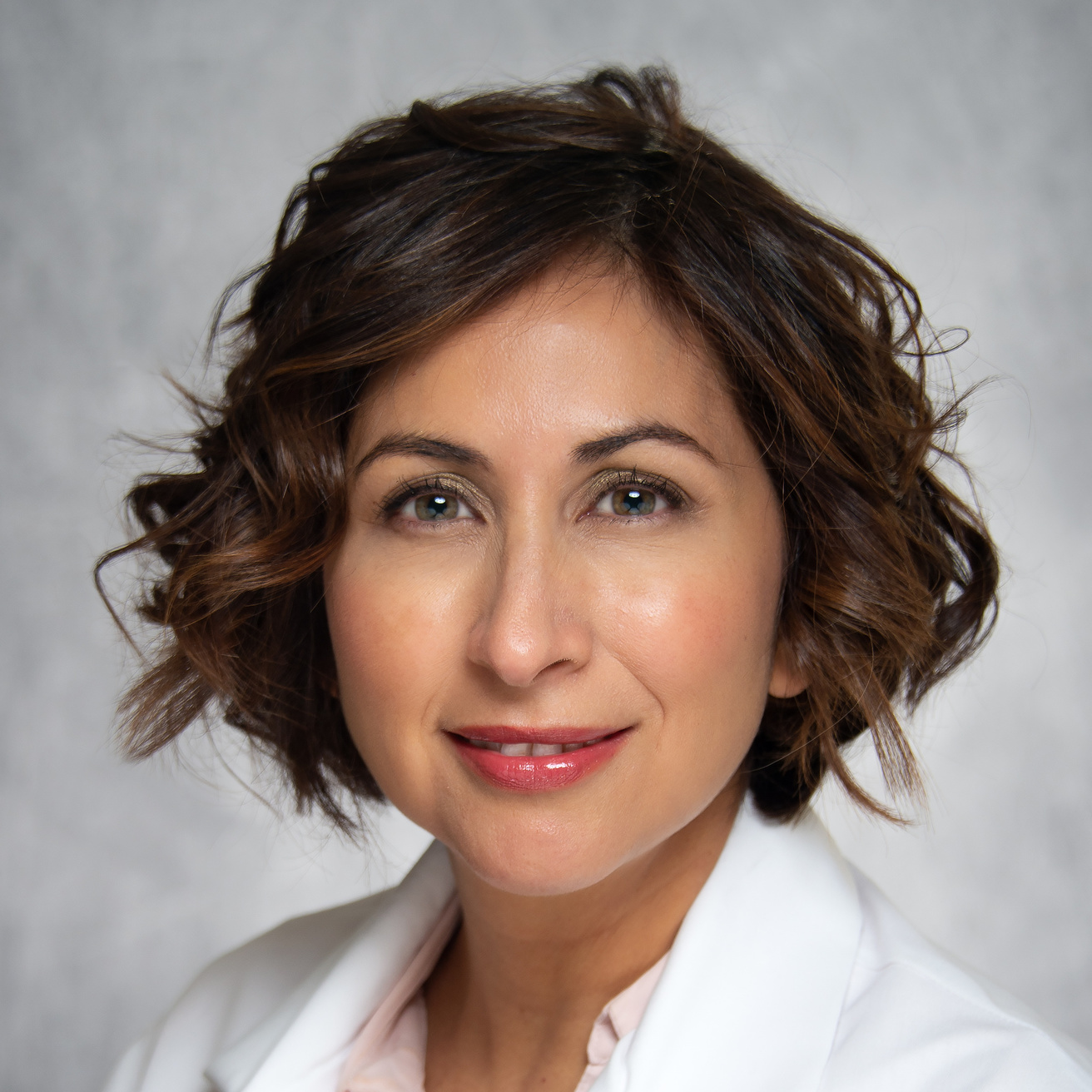
“Cancer treatment usually is not a one-and-done thing,” Lizarraga says. “It's typically something that's longitudinal for a patient. Chemotherapy treatments, radiation treatments, and even surgery involve multiple visits and recovery.”
Those repeated trips can place a significant burden on patients and families, particularly for those who live hours from specialized treatment centers.
“The cost of the patient to travel for care is quite significant,” she says. “This can lead to problems with compliance, meaning they don't come back for their post-op visits or don't complete all their treatments.”
Even for patients who can access care far from home, the financial impact can linger long after treatment is complete. Receiving care closer to home can also help patients maintain the support systems that are critical during cancer treatment.
“When you are going through cancer treatment and getting chemotherapy, having a family member who can come with you and being able to be close to home are really important,” Lizarraga says. “Those things matter for patient well-being and social support.”
Beyond the patient experience, Lizarraga sees local care as an important way to improve coordination among providers and reduce barriers to successful treatment.
“One advantage of keeping as much care as possible in one location close to home is that it allows better care coordination,” she says. “It's better for compliance, it's better for outcomes, and it's better for cost.”
Improving cancer care across communities
That commitment to improving cancer care access inspired Lizarraga to help establish the Iowa Cancer Affiliate Network, or I-CAN, a statewide initiative that supports rural hospitals working to strengthen cancer services and pursue accreditation through the American College of Surgeons Commission on Cancer. She serves as the medical director and primary physician liaison for the network, working with hospitals to establish tumor boards and governance bodies for their cancer programs.
Modeled after the Markey Cancer Center Affiliate Network at the University of Kentucky, I-CAN provides education, mentorship, and resources to help hospitals implement evidence-based practices and improve the quality of cancer care in their communities.
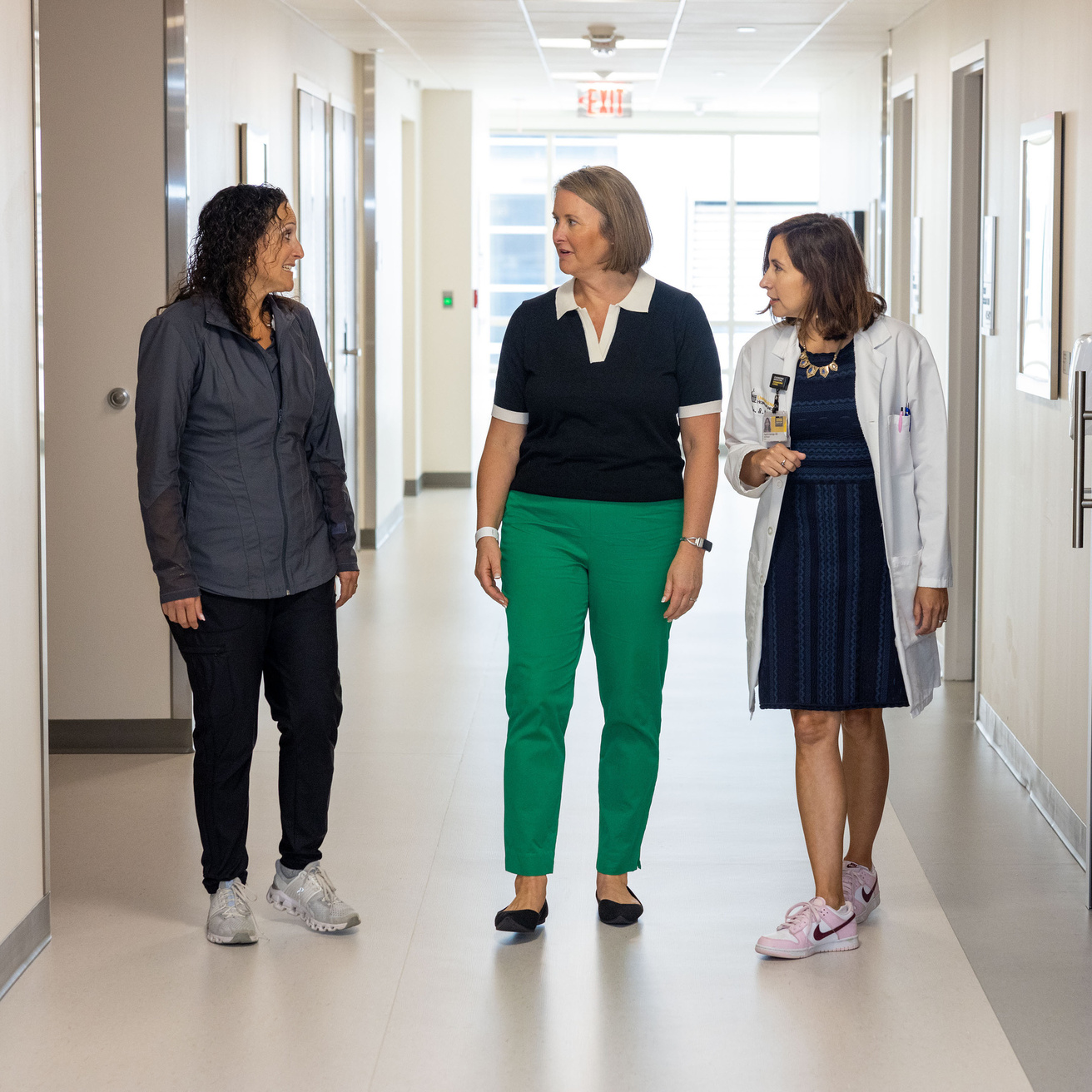
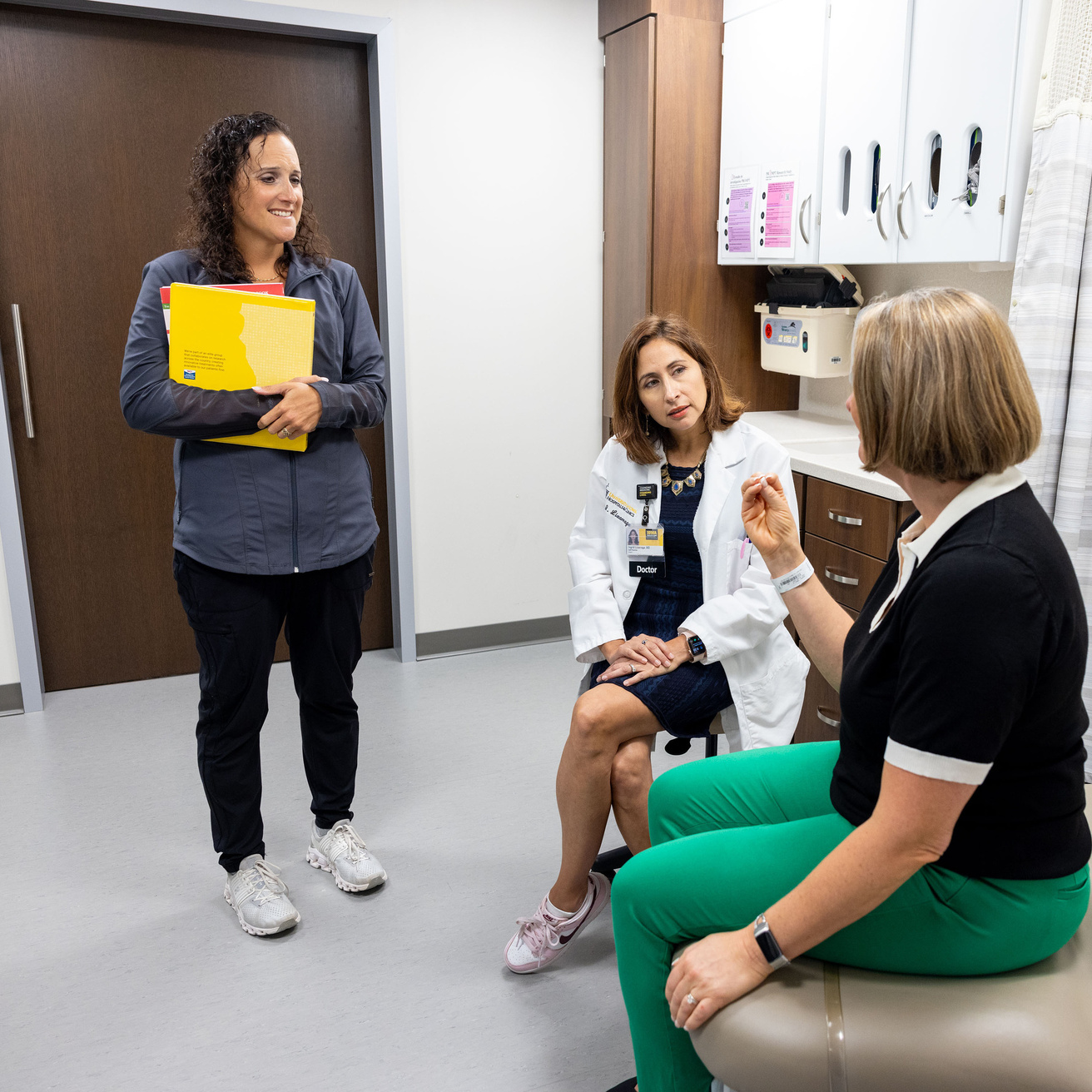
Lizarraga has also been involved in broader efforts through the Commission on Cancer (CoC) to address challenges facing rural hospitals. Recently, based on the lessons learned from I-CAN, the CoC introduced a new rural accreditation pathway designed to help more rural hospitals achieve and maintain accreditation while continuing to meet standards that improve cancer care quality and outcomes.
Looking ahead, she hopes those efforts will strengthen existing rural cancer programs while encouraging more hospitals to seek accreditation for the first time.
“I hope it helps retain more rural programs that are currently accredited and struggling to maintain accreditation,” Lizarraga says. “The big thing is that I hope we see growth in the number of newly accredited programs.”
She also believes expanding participation will provide valuable insights into the realities of delivering cancer care in rural communities.
“We'll get a lot of important information about what cancer care in a rural hospital is like,” she says. “We can better understand where the biggest challenges are, where the biggest opportunities are, and how we can make that better.”
For Lizarraga, one of the most rewarding aspects of this work has been collaborating with experts across a wide range of disciplines, from nurses and epidemiologists to health economists, data specialists, and health care leaders throughout the state.
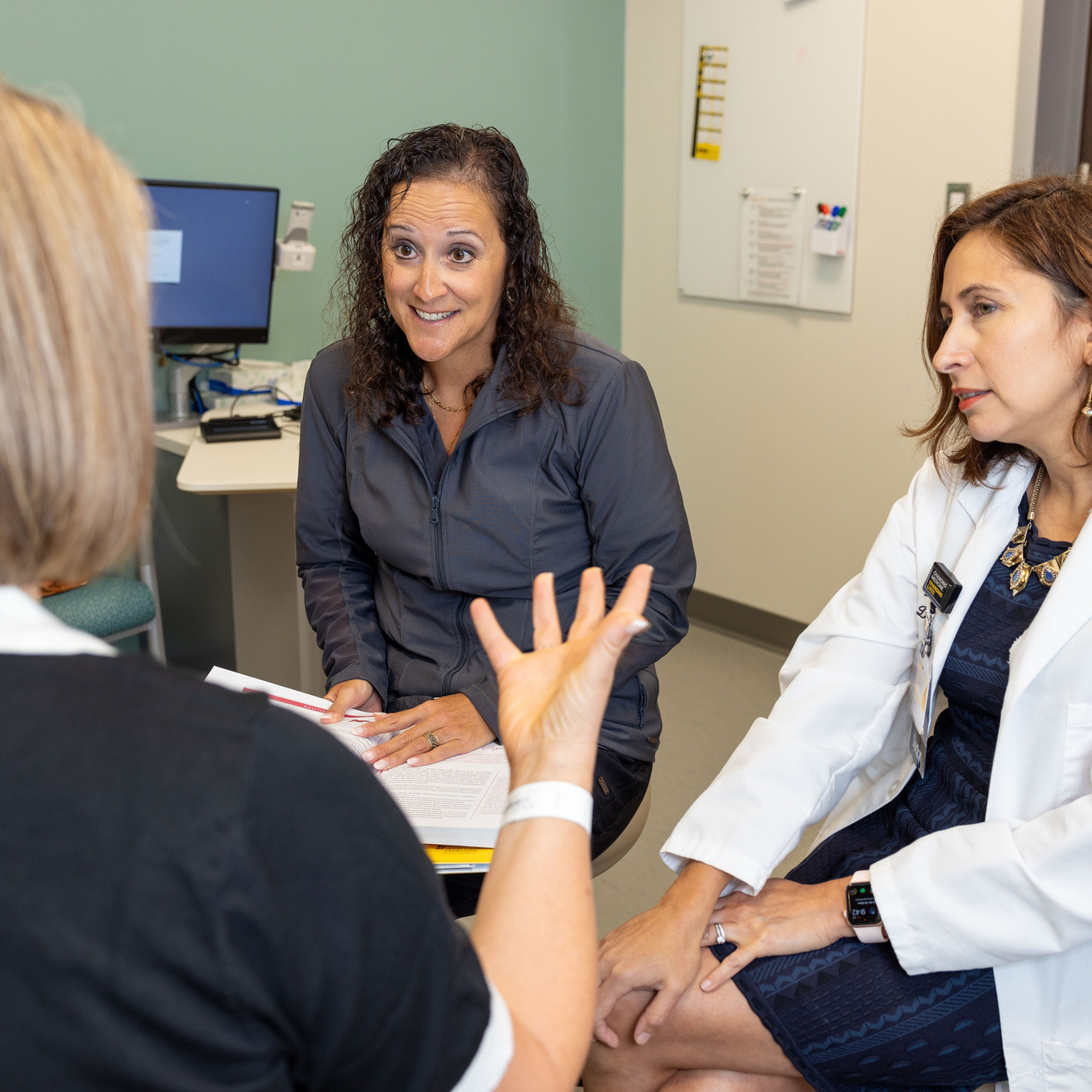
“Sometimes, a surgeon’s greatest value is the unique perspective they bring to the table,” she says. “Learning how to work with people in other fields and disciplines can make you even more impactful, because you bring that perspective and voice into a different space.”
Through these collaborations, Lizarraga is helping shape the future of cancer care delivery across Iowa. Her work reflects UI Health Care’s and the department’s commitment to improving access to specialized care, advancing health outcomes, and ensuring patients can receive high-quality treatment in the communities they call home.