
When GLP-1 medications such as Ozempic, Wegovy, and Zepbound entered the mainstream, they transformed the way people think about obesity treatment.
For many patients, the medications offered something they had never experienced before: meaningful weight loss through a treatment that recognized obesity as a chronic disease rather than a failure of willpower. The medications have helped countless people lose weight and improve their health, changing the conversation around obesity care.
At University of Iowa Health Care, bariatric surgeons say that shift has been overwhelmingly positive. But while GLP-1 medications have expanded treatment options, they have not eliminated the need for bariatric surgery.

"Obesity is a complex disease. There isn't one treatment that works for every person."
Jessica K. Smith, MD, MPH, FACS, FASMBS, bariatric surgery program director and clinical associate professor of surgery in gastrointestinal surgery at UI Health Care, says increased awareness about obesity as a medical condition has helped more patients seek treatment.
"I think there's more understanding now that obesity is a medical diagnosis and a chronic medical problem," Smith says. "It's not about willpower or character."
A new path to surgery
The rise of GLP-1 medications has changed who walks through the doors of bariatric surgery clinics.
Smith says many patients now considering surgery have already spent months or years trying weight-loss medications. Some experienced side effects. Others lost insurance coverage or access to treatment. Many discovered how difficult it can be to maintain weight loss after stopping medication.

"We are seeing a lot of patients who've tried GLP-1 medications. Some of them would not have considered surgery before trying the medications."
Nau says the medications have created new opportunities for conversations about long-term obesity treatment.
"I think it's important that patients are informed on both options," he says. "People should understand the risks, benefits, and long-term outcomes of medications and surgery so they can make the choice that's right for them."
When surgery is recommended for weight loss
The success of GLP-1 medications has led some patients to question whether surgery is still necessary. According to Smith and Nau, the answer depends on the patient's goals, overall health and the amount of weight they need to lose.
Many of the clinical trials evaluating GLP-1 medications involved patients with body mass indexes (BMI) in the 30s and low 40s. Bariatric surgeons, however, often care for patients with significantly higher BMIs and serious obesity-related health conditions.
"For patients who have well over 100 pounds to lose, you're only going to get so far with medication," Smith says.
That distinction is important because obesity affects more than the number on a scale. Conditions such as Type 2 diabetes, sleep apnea and severe reflux disease can have a major impact on long-term health and quality of life.
For some patients, medication may be enough to meet their goals. For others, surgery remains the most effective path to achieving substantial, lasting weight loss and improving obesity-related conditions.
"If someone has obesity, it doesn't matter how they got there," Nau says. "The question is, what do we do now to help them get healthier?"

How surgery and medication can work together for weight loss
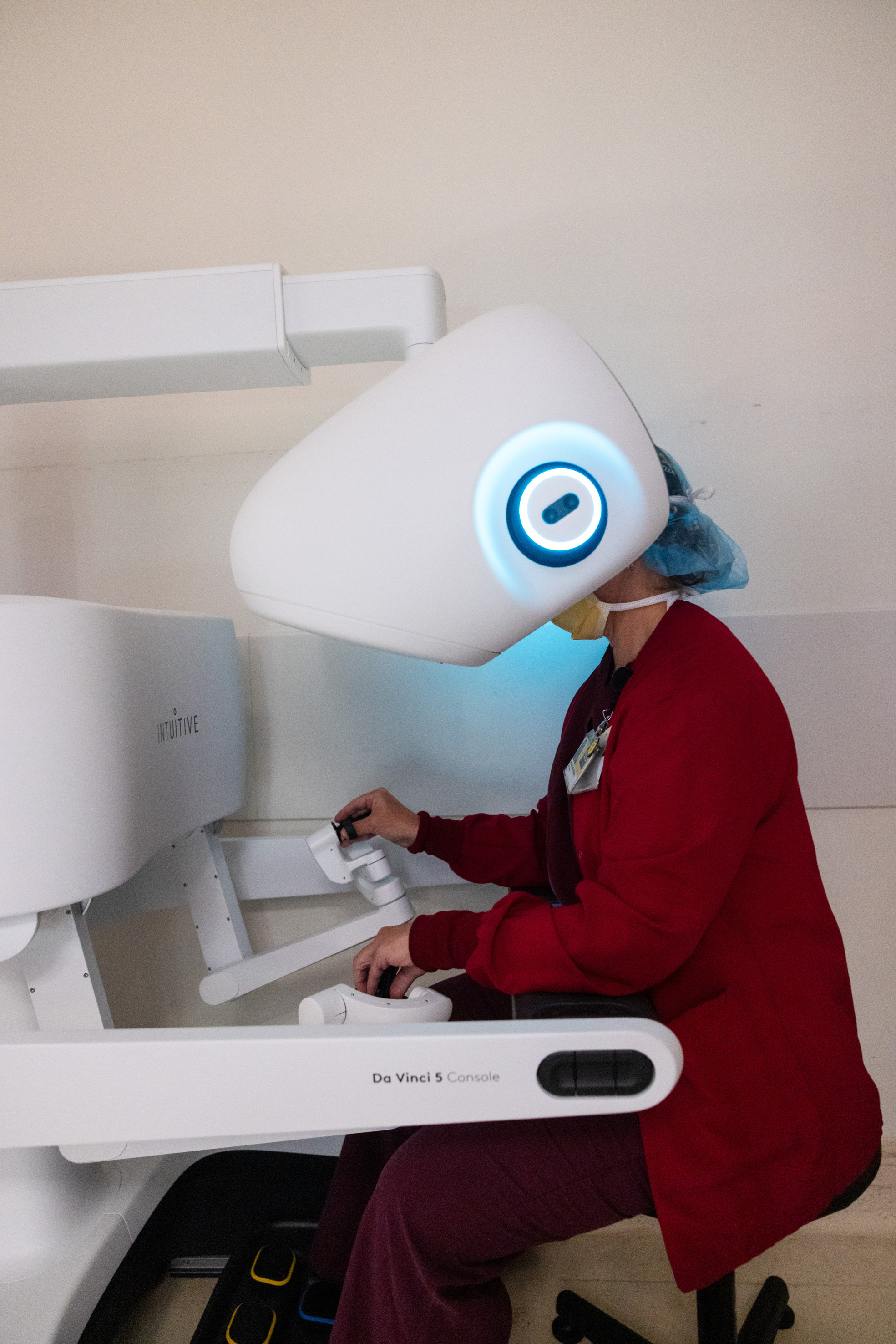
Both physicians emphasize that patients should not think of GLP-1 medications and bariatric surgery as competing treatments.
"It shouldn't be surgery versus medication," Nau says. "They should work together."
For patients with severe obesity, medications can sometimes help lower weight before surgery, making an operation safer and improving outcomes. In other cases, medications may be used after surgery to help patients maintain their progress.
Smith says the growth of GLP-1 medications has expanded the number of tools available to treat obesity, allowing physicians to tailor treatment plans to individual patients.
"The treatment plan should be based on what will help that patient achieve the best long-term health outcome," she says.
Looking beyond misconceptions
Despite decades of advances in bariatric surgery, misconceptions remain common.
"The biggest thing I want patients to understand is that surgery is not a last resort," Smith says. "It's extremely safe, effective, and permanent in a way that many people don't realize."
One of the biggest differences between surgery and medication is long-term effectiveness. While patients often regain weight after stopping GLP-1 medications, bariatric surgery creates lasting physiological changes that affect hunger, metabolism, and weight regulation.
"The hormones targeted by medications like Ozempic and Zepbound are the same ones increased by bariatric surgery," Smith says. "The difference is that surgery stimulates the body's own production of those hormones and creates changes that last over time."
Nau encourages patients to look beyond assumptions and learn about every available treatment option.
"You have to understand the long-term implications, the outcomes and the durability of every treatment option available," he says.
While GLP-1 medications have expanded treatment options, both surgeons say they have not changed a fundamental reality: obesity treatment is not one-size-fits-all.
For some patients, medication alone may provide the results they need. For others — particularly those with severe obesity or obesity-related health conditions — bariatric surgery remains the most effective path to lasting weight loss and improved health.
As obesity care continues to evolve, Smith says patients benefit most when they understand all the options and work with specialists to find the approach that's right for them.
"Surgery is not a last resort," Smith says. "It's an important treatment option that continues to help patients achieve lasting improvements in their health."